
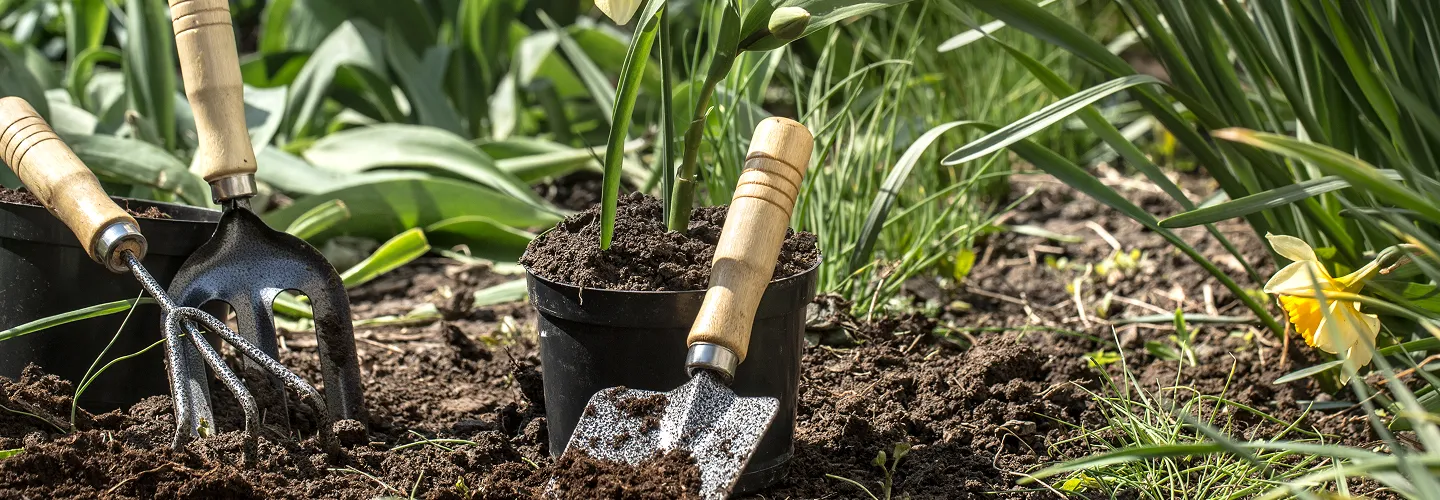
St. Petersburg Lawn Renovation Services
Choose our expert Lawn Renovation services for a lush, healthy yard—our team combines local expertise, premium materials, and personalized care to transform tired grass into a vibrant, resilient landscape you’ll love.
Get a Free QuoteOur St. Petersburg Landscaping & Yard Care Services
When to Schedule Lawn Renovation in St. Petersburg, Florida – Seasonal Guide
In St. Petersburg, Florida, timing your lawn renovation is crucial for achieving a lush, resilient yard that thrives in our unique Gulf Coast climate. The best periods for lawn renovation are typically late spring and early fall, when soil temperatures are warm enough to encourage strong root growth but before the peak summer heat or winter's occasional cold snaps. Neighborhoods like Old Northeast and Snell Isle, with their mature tree canopies and proximity to Tampa Bay, often experience microclimates that can influence renovation timing.
Local environmental factors such as high humidity, sandy soils, and the risk of drought during late summer all play a role in determining the optimal window for lawn work. Homeowners near Crescent Lake or those with shaded lots should also consider how tree density and shade coverage affect grass recovery. For more information on local regulations and best practices, consult resources like the City of Sudbury's environmental guidelines.
Local Factors to Consider for Lawn Renovation in St. Petersburg
- Tree density and shade coverage, especially in neighborhoods with mature oaks
- Soil type (sandy vs. loamy) and drainage characteristics
- Seasonal precipitation patterns and drought risk
- Proximity to saltwater or brackish areas, which can affect grass species selection
- Municipal watering restrictions and renovation permit requirements
- Terrain slope and risk of runoff during heavy rains
Benefits of Lawn Renovation in St. Petersburg

Enhanced Curb Appeal
Improved Soil Health
Weed and Pest Reduction
Thicker, Greener Grass
Increased Property Value
Customized Lawn Solutions
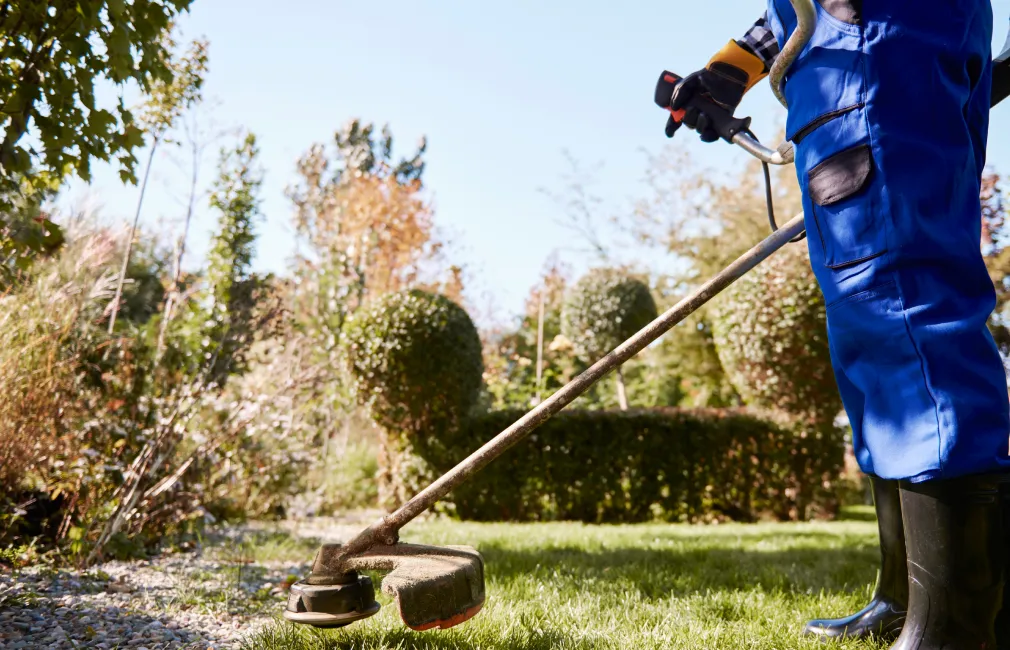
St. Petersburg Lawn Renovation Types

Sod Installation
-
Seeding and Overseeding
-
Soil Amendment
-
Aeration Services
-
Weed and Pest Control
-
Dethatching
-
Irrigation System Upgrades
Our Lawn Renovation Process
Site Evaluation
Soil Preparation
Seeding or Sodding
Watering and Fertilization
Ongoing Maintenance
Why Choose St. Petersburg Landscape Services
St. Petersburg Homeowners Trust Us
-
Expert Lawn Maintenance
-
Reliable Irrigation Solutions
-
Competitive Pricing
-
Professional Team
-
Satisfaction Guarantee
-
Personalized Service
-
Prompt Response Times
Coordinating Lawn Renovation Projects with St. Petersburg’s Community Development Department
Lawn renovation in St. Petersburg frequently requires coordination with the city’s Community Development Department, especially when projects involve significant soil correction, drainage improvements, or changes to site grading. Residents and property managers should be aware that any substantial alteration to the landscape—such as regrading for drainage or converting turf types—may trigger a review to ensure compliance with local codes and neighborhood standards. The department also provides guidance on integrating Florida-Friendly Landscaping principles and can clarify when a permit or formal plan review is necessary. For projects near swales, canals, or public rights-of-way, it is essential to verify if additional review is required to protect municipal infrastructure and water quality. Next steps typically include submitting a project description and site plan for departmental review before commencing work.
St. Petersburg Housing and Community Development Department
St. Petersburg City Hall, St. Petersburg, FL
Official Website: St. Petersburg Housing and Community Development Department
How St. Petersburg’s Gulf Coast Conditions Shape Lawn Renovation Approaches
St. Petersburg’s Gulf Coast location presents unique environmental factors that directly influence lawn renovation strategies. The city’s subtropical climate brings high humidity, intense summer heat, and a pronounced wet season from June through September, which can accelerate turf stress and fungal pressure. Soils are predominantly sandy or fill-based, often exhibiting rapid drainage but limited nutrient retention, leading to increased risk of nutrient leaching and runoff into nearby swales, canals, and storm drains. Coastal proximity also means some neighborhoods experience salt exposure, affecting turf selection and renovation outcomes. Key local conditions to consider include:
- Sandy soils that require organic amendment for improved water and nutrient holding capacity
- High water table areas where drainage correction is critical to prevent turf decline
- Frequent rainfall events that can cause erosion or wash newly applied soil amendments into stormwater systems
For more on local soil profiles, consult the USDA Web Soil Survey, and for turf selection guidance, refer to UF/IFAS Gardening Solutions - Lawns.
Regulatory Requirements and Environmental Compliance for Lawn Renovation in St. Petersburg
Lawn renovation projects in St. Petersburg must comply with both municipal and state-level regulations. City code may require permits or departmental review for substantial grading, drainage modifications, or turf conversions, particularly in areas adjacent to public infrastructure or water bodies. The St. Petersburg Codes Enforcement Department oversees property maintenance and zoning compliance, ensuring that renovation activities do not create runoff, erosion, or nuisance conditions. Florida’s Model Ordinance for Florida-Friendly Fertilizer Use on Urban Landscapes restricts fertilizer application during certain periods and near water features to protect water quality. Additionally, the Florida DEP NPDES Stormwater Program provides guidance on preventing sediment and nutrient discharge into municipal stormwater systems. Residents should:
- Confirm permit requirements with the Community Development Department before starting major renovation
- Avoid applying fertilizer or soil amendments immediately before heavy rain
- Keep all debris, soil, and chemicals away from curb inlets, swales, and canal edges
St. Petersburg Codes Enforcement Department
St. Petersburg City Hall, St. Petersburg, FL
Official Website: St. Petersburg Codes Enforcement Department
Professional Methods and Seasonal Timing for Lawn Renovation in St. Petersburg
Effective lawn renovation in St. Petersburg requires careful attention to timing, site preparation, and environmental safeguards. The optimal window for most renovation activities—such as soil amendment, turf conversion, or drainage repair—coincides with the active growth period for warm-season grasses, typically late spring through early fall. Professional standards recommend:
- Conducting a soil test before applying amendments to address nutrient deficiencies and pH imbalances
- Using core aeration to relieve compaction and improve infiltration, especially in high-traffic or fill-based areas
- Scheduling major renovation work outside of peak wet season when possible to minimize erosion and runoff risk
- Selecting turf species such as St. Augustinegrass or zoysiagrass, which are well-adapted to local heat, humidity, and salt exposure
- Implementing erosion controls, such as silt fencing or straw wattles, when working near drainage features
For irrigation guidance and water conservation, consult UF/IFAS Gardening Solutions - Lawn Maintenance and Care and EPA WaterSense Outdoors.
St. Petersburg Engineering and Capital Improvements Department
St. Petersburg City Hall, St. Petersburg, FL
Official Website: St. Petersburg Engineering and Capital Improvements Department
What Neighborhoods Do We Serve Throughout St. Petersburg, FL?
- Old Northeast This historic district features mature landscaping, older lot layouts, and frequent shade challenges that influence renovation approaches.
- Snell Isle Waterfront properties here often require salt-tolerant turf and careful drainage management due to proximity to canals and bayous.
- Jungle Prada Larger lots and established tree canopies create both shade and root competition, affecting turf renovation and soil amendment needs.
- Shore Acres Low-lying, flood-prone areas demand special attention to drainage correction and runoff control during renovation projects.
- Kenwood Urban core context with compact lots and alley access can limit equipment movement and influence renovation logistics.
- Crescent Lake Properties adjacent to the lake and parklands must consider runoff prevention and compliance with public greenspace standards.
- Coquina Key Island setting brings unique salt exposure and high water table considerations for turf selection and soil management.