
St. Petersburg Brush Removal Services
Choose our expert brush removal services for fast, reliable clearing that enhances your property’s safety, curb appeal, and value—so you can enjoy a cleaner, more usable outdoor space without the hassle.
Get a Free QuoteOur St. Petersburg Landscaping & Yard Care Services
When to Schedule Brush Removal in St. Petersburg, Florida – Seasonal Guide
In St. Petersburg, Florida, timing your brush removal is essential for maintaining a healthy and attractive landscape. The city’s subtropical climate means that vegetation grows rapidly, especially during the warm, humid months from late spring through early fall. Homeowners in neighborhoods like Old Northeast and Snell Isle often find that late winter to early spring—just after the last frost date—offers the best window for clearing brush. This timing helps prevent regrowth before the rainy season and reduces the risk of pest infestations.
Local environmental factors such as high humidity, sandy soils, and the risk of summer droughts play a significant role in determining the optimal schedule. Areas near Boyd Hill Nature Preserve or Crescent Lake may experience denser shade and more moisture, which can accelerate underbrush growth. Additionally, municipal guidelines and seasonal restrictions—often detailed on official resources like the City of Sudbury’s website—should be reviewed to ensure compliance and avoid fines.
Local Factors to Consider for Brush Removal in St. Petersburg
- Tree density and type of vegetation in your yard
- Proximity to water bodies or preserves (e.g., Lake Maggiore, Clam Bayou)
- Typical precipitation patterns and risk of summer drought
- Soil composition (sandy vs. loamy)
- Shade coverage from mature trees
- Local municipal restrictions and scheduled yard waste pickups
- Accessibility of terrain for removal equipment
Benefits of Brush Removal in St. Petersburg

Enhanced Curb Appeal
Improved Property Safety
Prevention of Pest Infestations
Increased Usable Outdoor Space
Healthier Landscape Growth
Efficient and Eco-Friendly Service
St. Petersburg Brush Removal Types

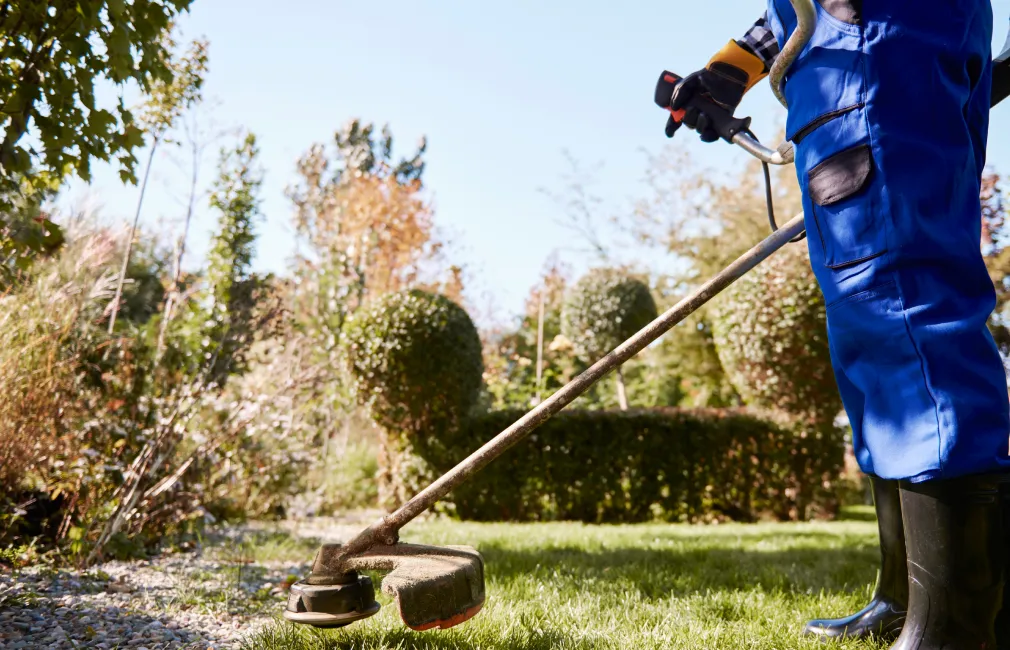
Manual Brush Clearing
-
Mechanical Brush Removal
-
Selective Brush Thinning
-
Brush Mulching
-
Brush Hauling and Disposal
-
Land Grading and Leveling
-
Invasive Species Removal
Our Brush Removal Process
Site Evaluation
Safety Preparation
Brush Clearing
Debris Removal
Final Inspection
Why Choose St. Petersburg Landscape Services
St. Petersburg Homeowners Trust Us
-
Expert Lawn Maintenance
-
Reliable Irrigation Solutions
-
Competitive Pricing
-
Professional Team
-
Satisfaction Guarantee
-
Personalized Service
-
Prompt Response Times
Coordinating Brush Removal with St. Petersburg’s Public Works and Drainage Systems
Brush removal in St. Petersburg, FL, is closely coordinated with the city’s Public Works Department to ensure that vegetative debris is managed in a way that protects both neighborhood appearance and the city’s extensive drainage infrastructure. Residents and property managers must place brush piles at the curb in accordance with city guidelines, ensuring that debris does not block storm drains, swales, or right-of-way access. The city schedules periodic collection of yard waste, but after major storm events, additional pickups may be arranged to prevent flooding and maintain clear drainage routes. For large-scale or unusual debris, coordination with Public Works is recommended to avoid service delays or code violations. Residents should never dispose of brush in canals or drainage ditches, as this can lead to blockages and water quality issues. For up-to-date collection schedules and operational guidance, consult the city’s official resources.
St. Petersburg Public Works Department
St. Petersburg, FL
Official Website: St. Petersburg Public Works Department
How St. Petersburg’s Gulf Coast Climate and Soils Shape Brush Removal Needs
St. Petersburg’s Gulf Coast location brings unique environmental factors that directly affect brush removal services. The city experiences high humidity and intense summer heat, which accelerate vegetative growth and increase the volume of brush requiring removal, especially during the wet season from June through September. Sandy and fill-based urban soils, as identified by the USDA Web Soil Survey, allow for rapid drainage but can also contribute to erosion if brush piles are left on bare ground. Additionally, the proximity to saltwater and the high water table in many neighborhoods mean that improper brush disposal can quickly impact stormwater quality and nearby aquatic systems. Residents should be aware that:
- Wet-season storms can generate large volumes of debris in a short period
- Sandy soils may not stabilize brush piles, increasing the risk of runoff
- Coastal exposure can introduce salt stress to remaining vegetation if piles are not removed promptly
Regulatory Requirements and Environmental Compliance for Brush Removal in St. Petersburg
Brush removal in St. Petersburg is governed by a combination of municipal codes and state-level environmental regulations. The city enforces rules regarding the placement, size, and timing of brush piles to prevent obstruction of public rights-of-way and to protect stormwater infrastructure. Code enforcement officers may issue notices for improper disposal or for brush left in prohibited areas. In addition, the Florida DEP NPDES Stormwater Program requires that all vegetative debris be managed to prevent runoff into storm drains, canals, and retention ponds, in accordance with the Clean Water Act. Residents and property managers should:
- Confirm current brush pile size and placement rules with the city
- Avoid placing debris near storm drains, swales, or water bodies
- Be aware that code enforcement may issue citations for non-compliance
St. Petersburg Codes Enforcement Department
St. Petersburg, FL
Official Website: St. Petersburg Codes Enforcement Department
Professional Standards and Timing for Brush Removal in St. Petersburg’s Urban Environment
Effective brush removal in St. Petersburg requires attention to both timing and technique, especially given the city’s climate and urban layout. Professional standards emphasize prompt removal after storms or major pruning to prevent debris from becoming a hazard or contributing to drainage blockages. During the wet season, it is advisable to schedule brush removal as soon as possible after significant weather events to reduce the risk of flooding. Key professional considerations include:
- Keeping brush piles away from curb inlets, swales, and canal edges
- Bundling or containing brush according to city guidelines to facilitate collection
- Avoiding the use of heavy equipment on saturated or sandy soils to prevent rutting and erosion
- Monitoring weather forecasts via the National Weather Service to plan removal before major rainfall events
St. Petersburg Engineering and Capital Improvements Department
St. Petersburg, FL
Official Website: St. Petersburg Engineering and Capital Improvements Department
What Neighborhoods Do We Serve Throughout St. Petersburg, FL?
- Old Northeast This historic neighborhood features mature landscaping and older lots, often requiring careful brush removal to protect brick streets and established tree canopies.
- Shore Acres With its extensive canal system and low-lying lots, Shore Acres demands special attention to brush placement to prevent debris from entering waterways and affecting drainage.
- Snell Isle Known for large lots and lush plantings, Snell Isle often generates significant brush volume, especially after storm events or seasonal pruning.
- Kenwood Kenwood’s shaded streets and smaller lot sizes require efficient brush removal to maintain curb appeal and avoid right-of-way obstructions.
- Jungle Prada This area’s proximity to Boca Ciega Bay and mature tree cover means brush removal must be managed to protect both water quality and neighborhood aesthetics.
- Crescent Lake Crescent Lake’s mix of older homes and park adjacency creates unique access and scheduling considerations for brush collection.
- Greater Pinellas Point With a blend of coastal exposure and newer subdivision fill, this area often faces rapid vegetative growth and drainage sensitivity, making timely brush removal essential.