
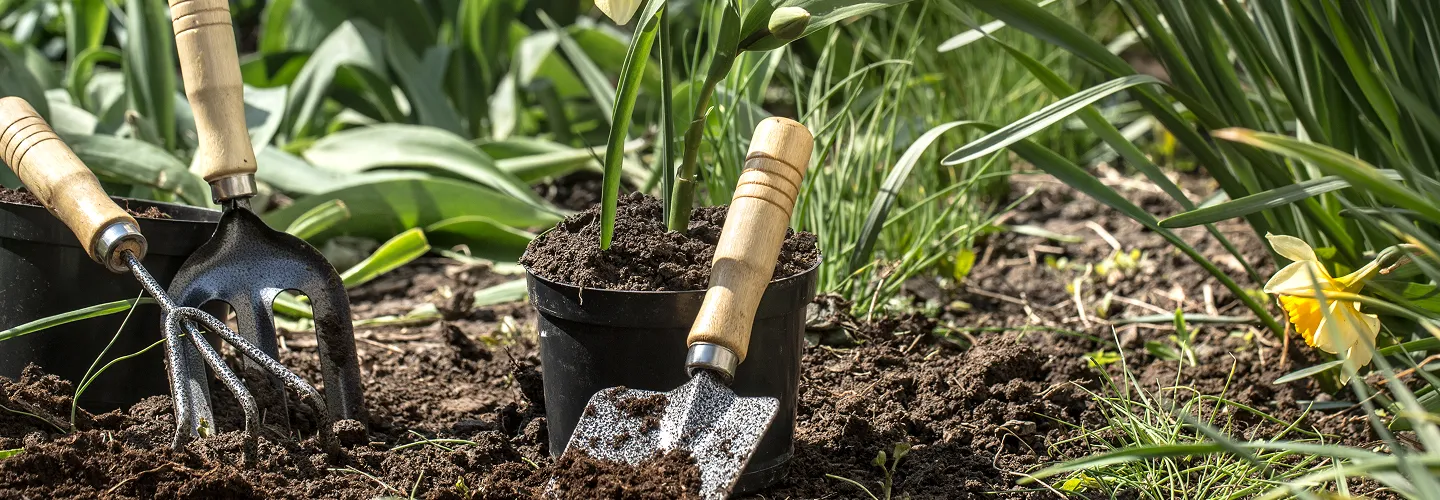
St. Petersburg Lawn Edging Services
Choose our expert lawn edging for a polished, professional look that enhances curb appeal, prevents grass overgrowth, and makes yard maintenance easier than ever.
Get a Free QuoteOur St. Petersburg Landscaping & Yard Care Services
When to Schedule Lawn Edging in St. Petersburg, Florida – Seasonal Guide
In St. Petersburg, Florida, the best times to schedule lawn edging are typically during the early spring and late fall. These periods offer moderate temperatures and reduced rainfall, making it easier to achieve crisp, clean edges without stressing your turf. The city’s subtropical climate means lawns grow vigorously from March through October, especially in neighborhoods like Old Northeast and around Crescent Lake, where lush landscapes are common. Scheduling edging before the summer heat sets in or after the rainy season helps maintain a tidy appearance and supports healthy grass growth.
Local environmental factors play a significant role in determining the optimal timing for lawn edging. For example, areas near Boyd Hill Nature Preserve may experience higher humidity and denser shade, affecting how quickly grass and weeds encroach on borders. Soil types in St. Petersburg range from sandy near the beaches to richer loam inland, influencing how well edges hold their shape. It’s also important to consider the city’s last frost date, typically in late January, and the risk of drought during late spring. For more information on local landscaping guidelines, visit the official city resource.
Local Factors to Consider for Lawn Edging in St. Petersburg
- Tree density and shade coverage (e.g., Historic Kenwood’s mature oaks)
- Soil type (sandy vs. loamy)
- Seasonal precipitation and humidity
- Proximity to saltwater or brackish areas
- Municipal restrictions or watering schedules
- Terrain and slope of your property
- Neighborhood-specific landscaping trends
Benefits of Lawn Edging in St. Petersburg
Enhanced Curb Appeal
Weed Growth Prevention
Defined Landscape Borders
Low Maintenance Solutions
Increased Property Value
Professional Installation Expertise
St. Petersburg Lawn Edging Types

Concrete Curb Edging
Concrete curbing offers a durable and clean border for lawns and garden beds.
-
Brick Lawn Edging
Brick edging provides a classic look and helps define garden spaces effectively.
-
Metal Landscape Edging
Metal edging is sleek, long-lasting, and ideal for modern landscaping designs.
-
Plastic Lawn Edging
Plastic edging is flexible, affordable, and easy to install for various lawn shapes.
-
Natural Stone Edging
Natural stone creates a rustic, organic border that blends seamlessly with the landscape.
-
Wood Timber Edging
Wood timbers offer a natural appearance and are suitable for raised beds and pathways.
-
Rubber Landscape Edging
Rubber edging is eco-friendly, safe for children and pets, and resists weathering.
Our Lawn Edging Process
Site Evaluation
Marking Edges
Cutting the Edge
Debris Removal
Final Inspection
Why Choose St. Petersburg Landscape Services
St. Petersburg Homeowners Trust Us
-
Expert Lawn Maintenance
-
Reliable Irrigation Solutions
-
Competitive Pricing
-
Professional Team
-
Satisfaction Guarantee
-
Personalized Service
-
Prompt Response Times
Coordinating Lawn Edging with St. Petersburg’s Public Works and Drainage Programs
Lawn edging in St. Petersburg, FL, requires careful coordination with city maintenance and drainage systems, especially given the prevalence of swales, curb inlets, and storm drains throughout residential neighborhoods. Residents and property managers should ensure that all vegetative debris generated from edging is properly collected and not left in the right-of-way, as this can obstruct drainage and contribute to localized flooding during heavy rainfall events. The St. Petersburg Public Works Department oversees the maintenance of public infrastructure, including the management of stormwater systems and vegetative debris collection. For those performing lawn edging near public rights-of-way or drainage features, it is essential to keep clippings, soil, and mulch out of curb inlets and swales to prevent blockages and protect water quality. The city provides scheduled yard waste collection, and all debris should be prepared according to municipal guidelines for pickup or drop-off. Residents are encouraged to verify current collection procedures and avoid placing debris in a manner that could impact drainage or public safety.
St. Petersburg Public Works Department
1755 13th Ave N, St. Petersburg, FL 33713
Phone: 727-893-7421
Official Website: St. Petersburg Public Works Department
How St. Petersburg’s Gulf Coast Climate and Soils Shape Lawn Edging Needs
St. Petersburg is situated on Florida’s Gulf Coast, characterized by a humid subtropical climate, high summer temperatures, and a pronounced wet season from June through September. These conditions directly influence lawn edging practices:
- Sandy coastal soils dominate much of the city, leading to rapid drainage and increased nutrient leaching, which can affect turf vigor along edges.
- The high water table in many neighborhoods means that improper edging or soil disturbance near swales and canals can quickly result in runoff or erosion issues.
- Salt exposure is a concern for properties near the waterfront, impacting turf species selection and the durability of edge lines.
Additionally, the city’s USDA Hardiness Zone 10a supports warm-season grasses such as St. Augustinegrass and bahiagrass, which respond vigorously to summer rainfall and require regular edging to maintain defined boundaries. The combination of intense rainfall and urban fill soils in newer subdivisions can also lead to shifting grades, making precise edging and drainage management especially important.
Regulatory Considerations and Environmental Compliance for Lawn Edging in St. Petersburg
Lawn edging activities in St. Petersburg are subject to both municipal codes and state-level environmental regulations. The city enforces property maintenance standards that require residents to keep lawn edges trimmed and free of encroaching vegetation, particularly along sidewalks and public rights-of-way. Code enforcement may issue notices for overgrown or obstructive turf edges, especially where visibility or pedestrian access is affected. For properties adjacent to canals, lakes, or stormwater features, it is critical to prevent clippings and soil from entering water bodies, as mandated by the Florida DEP NPDES Stormwater Program and the Clean Water Act. The city may also apply review requirements for significant landscape modifications or work near drainage infrastructure; these thresholds should be confirmed through the permitting office. For questions regarding code compliance or enforcement, residents can consult the Codes Enforcement Department.
St. Petersburg Codes Enforcement Department
P.O. Box 2842, St. Petersburg, FL 33731
Official Website: St. Petersburg Codes Enforcement Department
Professional Lawn Edging Methods and Seasonal Timing in St. Petersburg’s Environment
Effective lawn edging in St. Petersburg requires adapting methods and timing to local climate and turf conditions. Key professional standards include:
- Edging is best performed during active turf growth, typically from late spring through early fall, to ensure clean lines and rapid turf recovery.
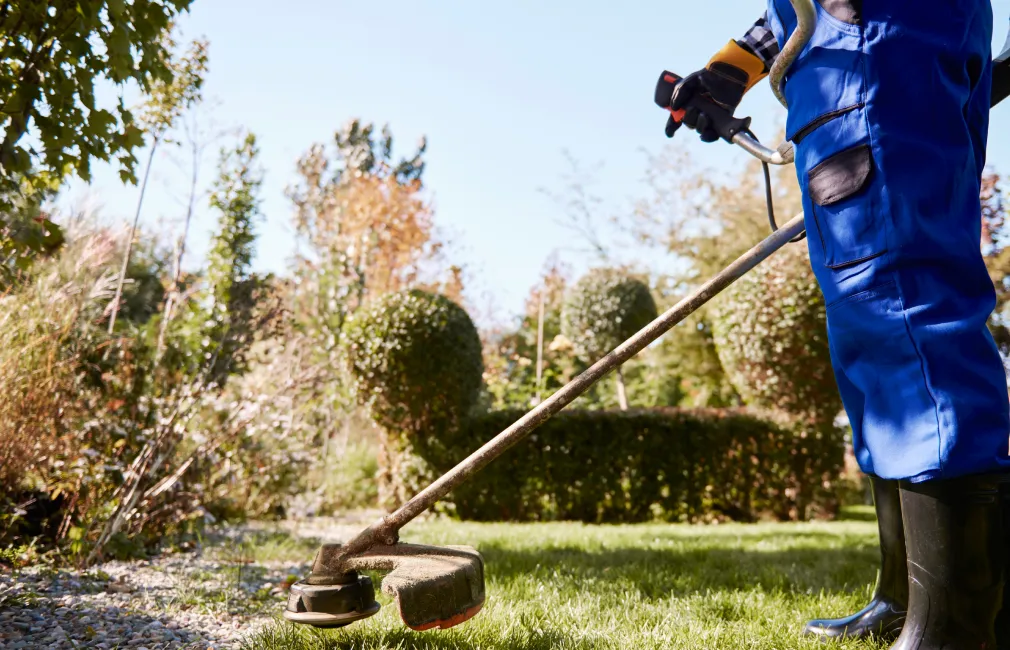
- Use of mechanical edgers or string trimmers should be adjusted to avoid scalping or damaging the root zone, especially in sandy or fill-based soils.
- During the wet season, frequent edging may be necessary due to accelerated turf growth, but care must be taken to avoid working in saturated soils to prevent rutting and erosion.
- All debris generated should be promptly collected and disposed of according to city yard waste guidelines, never left in the street or near storm drains.
For additional guidance on turf management and edging techniques suited to Florida’s climate, the UF/IFAS Gardening Solutions - Lawn Maintenance and Care resource provides regionally appropriate recommendations. Monitoring local weather through the National Weather Service Offices can also help schedule edging around rainfall events.
What Neighborhoods Do We Serve Throughout St. Petersburg, FL?
- Old Northeast This historic neighborhood features mature landscaping, large shade trees, and older lots with established swales requiring careful edging along sidewalks and driveways.
- Snell Isle Waterfront properties and canal adjacency in Snell Isle demand precise edging to protect drainage features and manage salt exposure near turf edges.
- Kenwood Kenwood’s compact lots and alley access present unique challenges for edging along narrow rights-of-way and maintaining curb appeal.
- Jungle Prada Larger lots and proximity to Boca Ciega Bay mean that lawn edging must account for runoff control and the preservation of mature turf boundaries.
- Shore Acres Frequent tidal flooding and high water tables in Shore Acres require special attention to soil stability and debris management during edging.
- Crescent Lake Park adjacency and active irrigation systems in Crescent Lake influence the frequency and precision of lawn edging along public and private boundaries.
- Coquina Key This island neighborhood’s mix of waterfront and interior lots necessitates adaptable edging methods to address both salt exposure and drainage sensitivity.