
St. Petersburg Lawn Mowing Services
Choose our lawn mowing service for reliable, professional results that keep your yard looking its best all season long—enjoy hassle-free maintenance and a lush, healthy lawn you can be proud of.
Get a Free QuoteOur St. Petersburg Landscaping & Yard Care Services
When to Schedule Lawn Mowing in St. Petersburg, Florida – Seasonal Guide
In St. Petersburg, Florida, the timing of your lawn mowing routine is shaped by our unique subtropical climate and the city’s diverse neighborhoods, from the shaded avenues of Old Northeast to the sun-drenched lawns near Crescent Lake. The growing season typically stretches from early March through late November, with peak grass growth occurring during the warm, humid months. It’s important to adjust mowing frequency as temperatures rise and rainfall increases, especially after the last frost date in early spring and before the drier winter period sets in.
Local environmental factors such as sandy soils, high humidity, and the risk of summer droughts all play a role in determining the best mowing schedule. Areas with dense tree coverage, like those near Boyd Hill Nature Preserve, may require less frequent mowing due to increased shade, while open lawns in neighborhoods like Snell Isle often need more regular attention. For more information on local regulations and best practices, you can visit the City of Sudbury’s resource page.
Local Factors to Consider for Lawn Mowing in St. Petersburg
- Tree density and shade coverage
- Soil type (sandy vs. loamy)
- Seasonal precipitation and drought risk
- Proximity to saltwater or brackish areas
- Municipal restrictions on mowing times
- Terrain and lawn slope
- Neighborhood-specific landscaping trends
Benefits of Lawn Mowing in St. Petersburg
Consistent Curb Appeal
Healthier Grass Growth
Weed and Pest Prevention
Time and Effort Savings
Professional Equipment Use
Reliable Local Service
St. Petersburg Lawn Mowing Types

Standard Lawn Mowing
-
Mulching Mower Service
-
Bagging and Clipping Removal
-
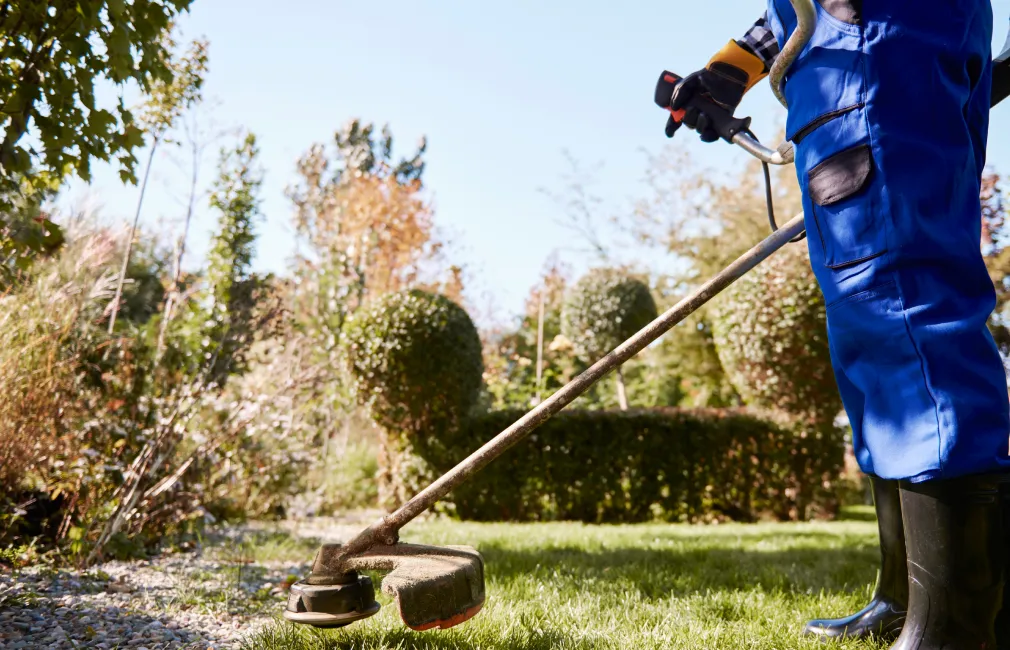
Edging and Trimming
-
Seasonal Lawn Scalping
-
Commercial Property Mowing
-
Eco-Friendly Electric Mowing
Our Lawn Mowing Process
Site Evaluation
Lawn Preparation
Mowing Execution
Edging and Trimming
Cleanup
Why Choose St. Petersburg Landscape Services
St. Petersburg Homeowners Trust Us
-
Expert Lawn Maintenance
-
Reliable Irrigation Solutions
-
Competitive Pricing
-
Professional Team
-
Satisfaction Guarantee
-
Personalized Service
-
Prompt Response Times
Coordinating Lawn Mowing with St. Petersburg’s Public Works and Stormwater Programs
Lawn mowing in St. Petersburg, FL, is closely tied to municipal operations that protect both neighborhood appearance and local waterways. The St. Petersburg Public Works Department manages yard waste collection and vegetative debris removal, which is essential for preventing clippings and organic matter from entering storm drains, canals, and swales. Residents and property managers should ensure that grass clippings are either mulched back into the lawn or properly contained for city pickup, as loose debris can contribute to nutrient runoff and drainage blockages. The city’s stormwater guidance emphasizes keeping all yard waste out of curb inlets and drainage channels to maintain water quality and reduce flooding risk. For large-scale mowing or landscape maintenance, coordinate with the department to confirm current collection schedules and any special requirements for bulk debris.
St. Petersburg Public Works Department
1755 13th Ave N, St. Petersburg, FL 33713
Phone: 727-893-7391
Official Website: St. Petersburg Public Works Department
How St. Petersburg’s Gulf Coast Climate and Soils Shape Lawn Mowing Needs
St. Petersburg is situated on Florida’s Gulf Coast, with a subtropical urban coastal environment that directly influences lawn mowing practices. The city’s sandy and fill-based soils, as identified by the USDA Web Soil Survey, drain quickly but are prone to nutrient leaching, requiring careful management of mowing height and clipping retention. High humidity and intense summer heat, especially from May through September, accelerate turf growth and increase fungal pressure, particularly on St. Augustinegrass and zoysiagrass lawns. The wet season, typically June through September, brings rapid turf growth and frequent mowing needs, while the proximity to saltwater and a high water table in coastal neighborhoods can stress turf and limit mowing during saturated periods. These conditions make it essential to adjust mowing frequency and height based on both rainfall and soil moisture, and to avoid mowing when soils are waterlogged to prevent rutting and compaction.
Regulatory Requirements and Environmental Compliance for Lawn Mowing in St. Petersburg
Lawn mowing activities in St. Petersburg are subject to city code enforcement and environmental regulations designed to protect neighborhood standards and local water resources. The St. Petersburg Codes Enforcement Department oversees property maintenance, including the control of overgrown grass and the proper disposal of yard waste. Residents must ensure that mowing does not result in debris entering public rights-of-way, storm drains, or water bodies, as this can violate both city ordinances and state-level stormwater regulations under the Florida Department of Environmental Protection’s NPDES program. Additionally, the use of herbicides or pesticides in conjunction with mowing must comply with FDACS pesticide licensing requirements. Noise limits and mowing hours may be enforced in certain neighborhoods, so verify any restrictions with the city before scheduling large-scale operations.
St. Petersburg Codes Enforcement Department
P.O. Box 2842, St. Petersburg, FL 33731
Phone: 727-893-7373
Official Website: St. Petersburg Codes Enforcement Department
Professional Lawn Mowing Standards and Seasonal Timing in St. Petersburg
Effective lawn mowing in St. Petersburg requires adapting to the city’s climate, turf species, and environmental sensitivities. Professional standards recommend:
- Mowing St. Augustinegrass at 3.5–4 inches and zoysiagrass at 2–2.5 inches to promote deep rooting and reduce weed pressure, as outlined by UF/IFAS Gardening Solutions.
- Increasing mowing frequency during the wet season (June–September) to manage rapid growth and prevent clumping.
- Avoiding mowing when soils are saturated to prevent rutting and compaction, especially in areas with a high water table or poor drainage.
- Leaving clippings on the lawn when possible to recycle nutrients, but always keeping them off sidewalks, driveways, and storm drains.
- Timing irrigation to early morning hours and adjusting mowing schedules to avoid cutting wet grass, which can spread disease and damage turf.
- Monitoring for fungal issues during periods of high humidity and adjusting mowing height or frequency as needed.
What Neighborhoods Do We Serve Throughout St. Petersburg, FL?
- Old Northeast This historic neighborhood features mature landscaping, large shade trees, and older lots with established turf and drainage patterns.
- Snell Isle Waterfront properties and canal-adjacent lots require careful clipping management to protect water quality and manage runoff.
- Kenwood Characterized by smaller lots and alley access, mowing here often involves managing debris in tight urban spaces.
- Shore Acres Low-lying and flood-prone, this area demands attention to mowing during wet periods and careful debris containment.
- Jungle Prada Larger lots with mature trees and mixed sun/shade exposure influence mowing height and frequency.
- Crescent Lake Proximity to parks and greenways means lawns often border public spaces, requiring adherence to city appearance standards.
- Coquina Key Surrounded by water, this neighborhood’s lawns are sensitive to salt exposure and require runoff-conscious mowing practices.